How to Choose the Right Pool LED Strip Lights for Your Swimming Pool
Published: Last Updated: Estimated Reading time: 6 minsSwimming pool lighting is no longer just about visibility. Today, it plays a key role in both safety and atmosphere. The right lighting can transform an ordinary pool into a premium nighttime space, making it more inviting, stylish, and functional.
A well-designed pool lighting system can completely transform your outdoor space.
Among all modern lighting options, pool LED strip lights have become increasingly popular due to their flexibility and sleek design. However, not all LED strips are suitable for underwater use. Choosing the wrong type can lead to safety risks, short lifespan, and unnecessary maintenance costs.
In this guide, we’ll walk you through how to choose the right pool LED strip lights for your swimming pool, so you can achieve long-lasting performance and the best visual effect.
Table of Contents:
Why Pool LED Strip Lights Are a Popular Choice
Pool LED strip lights offer several advantages over traditional pool lighting solutions.
First, they are highly flexible. Unlike bulky fixtures, LED strips can be installed along curved edges, steps, or custom-shaped pools, making them ideal for modern designs.
Second, they provide excellent ambient lighting. Whether you prefer a clean white look or dynamic RGB color effects, LED strip lights allow you to create a customized atmosphere for different occasions.
In addition, they are energy-efficient and long-lasting. Compared to traditional lighting, LED technology consumes less power while delivering consistent brightness over time.

Key Factors to Consider When Choosing Pool LED Strip Lights
Choosing the right product is critical, especially for underwater environments. Below are the most important factors you should evaluate.
1. Waterproof Rating (IP68 is Essential)
When it comes to pool lighting, waterproof performance is non-negotiable.
Many people assume that IP67 LED strips are sufficient. While IP67 products can handle temporary water exposure, they are not designed for continuous submersion.
For swimming pools, you must choose IP68-rated LED strip lights . These are specifically designed for long-term underwater use, ensuring reliable performance without water damage.
If you install a non-IP68 strip in a pool, it will likely fail quickly, leading to additional replacement and installation costs.
2. Chlorine Resistance for Pools
This is one of the most overlooked but critical factors.
Swimming pool water typically contains chlorine or salt, which can gradually corrode standard LED strip materials. Over time, this may cause discoloration, cracking, or reduced brightness.
High-quality pool LED strip lights are designed with chlorine-resistant materials to withstand these harsh conditions. This significantly extends the lifespan of the lighting system and maintains a clean appearance.
If you want a truly long-lasting solution, always choose LED strips specifically designed for pool environments —not just “waterproof” ones.
3. Voltage and Safety (Low Voltage Recommended)
Safety should always be a top priority when dealing with water and electricity.
Low-voltage LED strip lights (such as 12V or 24V systems) are strongly recommended for swimming pools. They reduce the risk of electrical hazards and are widely used in professional outdoor lighting installations.
Avoid high-voltage lighting solutions in or near water unless they are specifically engineered and certified for such use.
4. Brightness and Color Options
Different pools require different lighting effects.
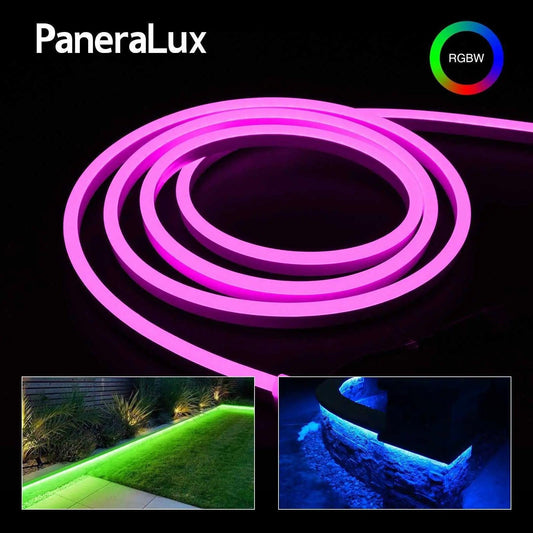
If your goal is visibility and safety, neutral white lighting is usually the best choice. For decorative purposes, RGB LED strip lights can create dynamic and colorful effects, perfect for entertaining or enhancing the pool’s visual appeal.
It’s important to balance brightness with comfort. Overly bright lighting can feel harsh, while insufficient lighting may reduce visibility.
5. Installation Flexibility
LED strip lights are known for their versatility, but proper installation planning is still essential.
You can install them:
● Along pool edges for a clean outline
● On steps to improve nighttime safety
● Around surrounding decks or landscaping
Make sure to choose compatible connectors, controllers, and mounting accessories to ensure a smooth installation process.
Common Mistakes to Avoid When Buying Pool LED Strip Lights
Many buyers make avoidable mistakes that lead to poor performance or safety issues.
● Using IP67 instead of IP68 : This is one of the most common errors. IP67 is not suitable for continuous underwater use.
● Ignoring chlorine resistance : Standard LED strips may degrade quickly in pool environments.
● Choosing high-voltage systems : This increases safety risks, especially in wet conditions.
● Focusing only on price : Cheaper products often result in higher long-term costs due to replacements and maintenance.
Best Applications for Pool LED Strip Lighting
Pool LED strip lights can be used in a variety of ways to enhance both safety and design.
● Inside the pool for a clean, modern glow
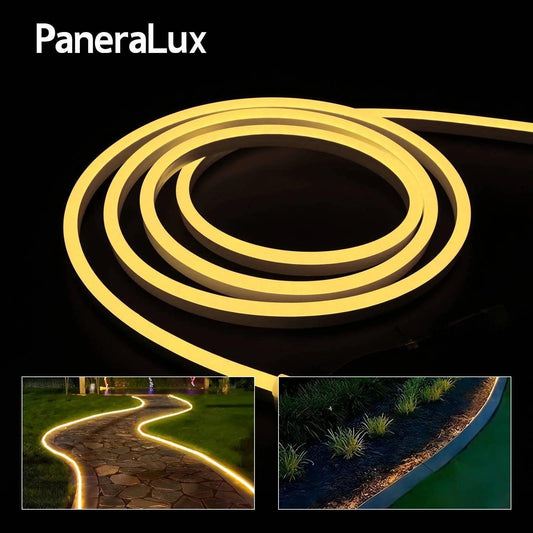
● Along pool edges to define the shape of the pool
● On pool steps to improve visibility and prevent accidents
● Around decks and gardens to create a cohesive outdoor lighting design
These applications not only improve functionality but also elevate the overall look of your outdoor space.

Recommended Solution for Long-Lasting Pool Lighting
To achieve reliable and long-lasting performance, it’s important to choose LED strip lights designed specifically for pool environments.
For example, you can explore professional pool lighting solutions designed for long-term underwater use.
A well-designed solution should include:
● IP68 waterproof rating for continuous underwater use
● Chlorine-resistant materials for durability
● Low-voltage operation for enhanced safety
● Flexible design for different installation scenarios
Lighting systems that meet these criteria can provide consistent performance, reduced maintenance, and a more professional finish.
Conclusion
Choosing the right pool LED strip lights is about more than just appearance. You need to consider waterproof performance, resistance to pool chemicals, electrical safety, and installation flexibility.
By selecting high-quality, purpose-built lighting solutions, you can create a safe, durable, and visually stunning pool environment that lasts for years.
If you’re planning to upgrade your pool lighting, taking the time to choose the right LED strip lights will make all the difference.
FAQ
Can LED strip lights be used inside a swimming pool?
Yes, but only if they are rated IP68. This ensures they are suitable for continuous underwater use.
How long do pool LED strip lights last underwater?
High-quality pool LED strip lights can last several years, depending on usage and environmental conditions, especially if they are chlorine-resistant.
Are pool LED strip lights safe?
Yes, as long as you use low-voltage systems (12V or 24V) and proper waterproof-rated products designed for pool environments.
What is the difference between pool LED strip lights and regular LED strips?
Pool LED strip lights are designed for underwater use, with IP68 waterproofing and resistance to chemicals like chlorine, while regular LED strips are not built for such conditions.