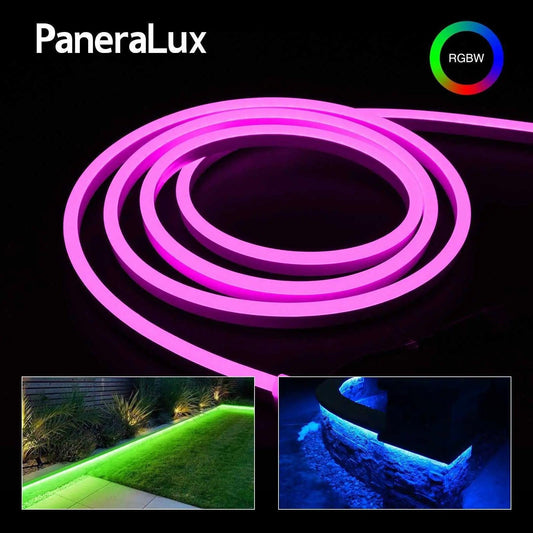
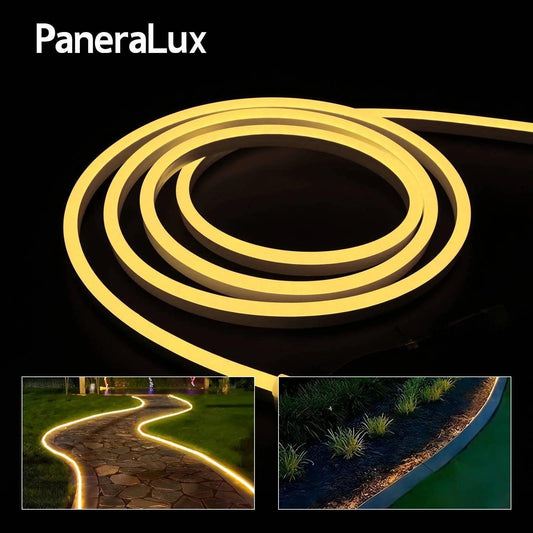
Outdoor LED Strip Lights: Waterproof IP67 vs IP68 Guide (2026)
Published: Last Updated: Estimated Reading time: 6 minsWhen choosing outdoor LED strip lights, waterproof performance is not optional — it is essential. Unlike indoor lighting, exterior environments expose lighting systems to rain, humidity, dust, temperature fluctuation, and in some cases, full water submersion.
In this 2026 guide, we break down everything you need to know about waterproof LED strip lights, the difference between IP67 and IP68 ratings, voltage considerations (12V vs 24V), and how to select the right LED strip lights for outside applications.
Table of Contents:
What Are Outdoor LED Strip Lights?
Outdoor LED strip lights are flexible linear lighting systems specifically designed for exterior use. Compared to standard indoor strips, they include:
● Protective waterproof coating or encapsulation
● UV-resistant materials
● Sealed connectors
● Low-voltage operation (typically 12V or 24V)
They are commonly used for:
● Landscape strip lighting
● Outdoor stair lights
● Driveway edge lighting
● Deck and pergola illumination
● Pool perimeter lighting
The key factor that differentiates them from indoor strips is waterproof rating.
IP67 vs IP68: What’s the Real Difference?
Waterproof performance is measured using IP ratings. If you’re selecting waterproof LED strip lights, understanding this distinction is critical.
IP67 LED Strip Lights
● Dust-tight protection
● Resistant to temporary immersion (up to 1 meter for 30 minutes)
● Suitable for rain exposure and wet surfaces
IP67 works well for:
● Outdoor strip lights installed under eaves
● Strip lights for outside decks
● Covered patio installations
● Step lighting exposed to occasional rain
However, IP67 is not designed for continuous submersion.
IP68 LED Light Strips
● Fully dust-tight
● Designed for long-term water submersion
● Engineered for high-moisture environments
IP68 is required for:
● Underwater pool lights
● Fountains
● Permanent pool perimeter integration
● Water features
If lighting will be submerged or installed inside water features, choose IP68-rated LED strip lights specifically designed for underwater use.

Where to Use Outdoor LED Strip Lights
Selecting the correct application improves both safety and aesthetics.
1. Stair & Step Lighting
Installing outdoor stair lights or strip lighting for outdoor steps enhances nighttime visibility and reduces fall risk. Linear strip placement under stair lips creates clean architectural lines.
Best choice:
● IP67 for exposed stairs
● IP68 if near pool splash zones
2. Driveway & Pathway Edging
Driveway LED strip lights provide subtle boundary lighting without glare. Linear edge illumination improves visibility while maintaining a modern look.
Recommended:
● 24V systems for longer runs
● Waterproof sealed connectors
3. Landscape Strip Lighting
Landscape strip lighting is ideal for garden beds, retaining walls, and perimeter edges. When embedded in channels, strips provide continuous glow rather than spot illumination.
For garden use:
● IP67 minimum
● UV-resistant coating
● Aluminum channel for heat dissipation
4. Pool Perimeter & Underwater Applications
For underwater pool lights, only IP68 should be considered. These systems must resist chlorine exposure and long-term submersion.
Applications include:
● Pool coping lines
● Infinity edge highlighting
● Submerged wall accents
Never use IP67 for submerged installation.
12V vs 24V for Outdoor LED Strip Lights
Voltage choice impacts performance, brightness consistency, and installation length.
12V Systems
● Suitable for shorter runs
● Easier for small residential projects
● More voltage drop over long distances
24V Systems
● Reduced voltage drop
● More stable brightness
● Better for landscape and perimeter lighting
For extended outdoor LED strip lights installations such as long pathways or driveways, 24V is generally preferred.
Installation Best Practices
Even the best waterproof LED strip lights fail if installed incorrectly.
1. Use Aluminum Channels
Channels improve heat dissipation and protect strips from mechanical damage.
2. Seal All Connections
Outdoor failure often occurs at connection points. Use waterproof connectors or heat-shrink sealing.
3. Choose the Correct Power Supply
Match voltage and wattage precisely. For outdoor systems:
● Use waterproof-rated drivers
● Avoid overloading circuits
4. Avoid Direct Sun Overheating
Even UV-resistant strips benefit from indirect placement when possible.
Common Questions About Outdoor LED Strip Lights
Are all outdoor LED strip lights waterproof? ∨
Can LED strip lights for outside get rained on? ∨
What IP rating is needed for pools? ∨
How long do outdoor strip lights last? ∨
How to Choose the Right Outdoor LED Strip Lights? ∨
- Waterproof rating (IP67 vs IP68)
- Voltage (12V or 24V)
- Installation length
- Exposure level (rain vs submersion)
- Application type (stairs, landscape, pool)
If exposed to rain only, IP67 is sufficient. If in direct contact with water, IP68 is mandatory.
Final Thoughts
The right outdoor LED strip lights can transform any exterior space — from subtle landscape strip lighting to dramatic underwater pool lights. The most important factor is selecting the correct waterproof rating and voltage for your installation.
In 2026, exterior lighting is no longer just about brightness. It is about durability, efficiency, and architectural integration. By choosing high-quality waterproof LED strip lights and installing them properly, you ensure long-term performance and safety in any outdoor environment.