Waterproof LED Strip Lights for Above Ground Pools: What to Know Before You Buy
Published: Last Updated: Estimated Reading time: 7 minsAbove-ground pools are a practical way to create a backyard swimming area without the construction involved with an in-ground pool. With the right lighting, they can also become a more inviting space for evening swimming and outdoor entertaining.
However, choosing lighting for an above-ground pool is not as simple as finding a strip light labeled “waterproof.” Pool lighting needs to handle water, moisture, and, importantly, chlorinated pool water.
If you are looking for waterproof LED strip lights for an above-ground pool, here is what to consider before choosing a product.
What Makes Above Ground Pool Lighting Different?
Above-ground pools are often surrounded by decks, coping, frames, steps, or other structures where LED strip lighting can be installed. This creates more opportunities for creative lighting, but it also means the lights may be exposed to water splashes and humid conditions.
Some common above ground pool lighting ideas include:
● Installing LED strips around the pool perimeter
● Adding lighting beneath or along the pool coping
● Lighting pool steps and entry areas
● Installing underwater linear lighting
● Combining pool lighting with deck or landscape lighting
The installation location determines the type of lighting you need. A strip installed close to the water should have a higher level of protection than a standard indoor or decorative LED strip.

Is Waterproofing Enough for Pool Strip Lighting?
Not necessarily.
When shopping for pool strip lighting, you may see terms such as IP65, IP67, or IP68. These ratings describe protection against dust and water, but they do not automatically mean that a product is suitable for long-term exposure to swimming pool chemicals.
For example, an IP68 light pool product is designed for immersion under defined testing conditions. However, IP68 alone does not mean that the strip is resistant to chlorine.
This distinction is important because swimming pool water is normally treated with chlorine or other sanitizing chemicals. A lighting product installed underwater or close to the pool can be exposed to chlorinated water for extended periods.
Therefore, for lighting installed in or immediately around a swimming pool, you should look beyond the IP rating and check whether the product is specifically designed to resist chlorine and corrosion.
Why Chlorine Resistance Matters for Pool LED Strip Lights
Pool water is not simply clean water. Chlorine is used to control bacteria and maintain water quality, which means underwater lighting components need to withstand a chemically treated environment.
A regular waterproof LED strip may perform well outdoors but still not be designed for continuous exposure to chlorinated water.
Over time, unsuitable materials may experience:
● Surface deterioration
● Corrosion of metal components
● Reduced waterproofing performance
● Discoloration or degradation of protective materials
● Shorter product life
For this reason, any LED strip installed in a swimming pool or where it can regularly contact pool water should be designed for chlorine resistance, not just water resistance.
This is one of the most important differences between general outdoor LED strips and purpose-built pool lighting.
Choosing an LED Light Strip for an Above-Ground Pool
When comparing an LED light strip for pool applications, consider these key specifications.
1. Look for IP68 Protection
For underwater installations, IP68 is an important specification to look for. It indicates that the product is designed for immersion under specified conditions.
However, remember that IP68 should be considered together with the material and chemical-resistance specifications rather than by itself.
2. Check for Chlorine Resistance
This is particularly important for swimming pools.
Because pool water contains chlorine, choose a strip specifically designed to resist chlorine and corrosion. Do not assume that every IP68 LED strip is suitable for a chlorinated pool.
3. Consider the Installation Location
Think about where the strip will actually be installed.
For an above-ground pool, possible locations include:
● Under the pool coping
● Along the pool wall
● Around the perimeter
● Under a surrounding deck
● Near pool steps
● Underwater along the pool structure
An underwater installation requires a product specifically designed for immersion. A strip installed above the waterline may have different requirements, but it can still be exposed to splashing and pool chemicals.

4. Choose the Right Voltage
Low-voltage lighting is commonly preferred for pool environments.
A 24V DC system can provide a practical solution for linear pool lighting while allowing the lighting system to be integrated with an appropriate power supply and controller.
5. Think About the Light Effect
The purpose of pool lighting is not only visibility. It can also change the appearance of the entire backyard at night.
Depending on the project, you might choose:
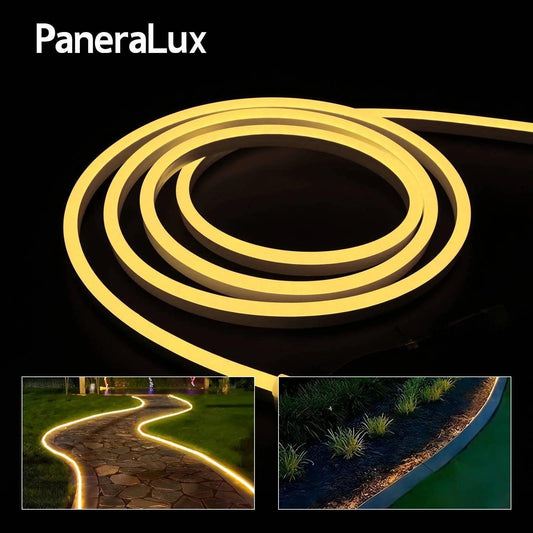
● Single-color white lighting for a clean appearance
● Blue lighting for a traditional pool atmosphere
● RGB lighting for changing colors
● Dynamic lighting effects for entertaining
A linear strip can also create a more continuous lighting effect than multiple individual point lights.

A Purpose-Built Option for Pool Applications
For projects that require underwater linear lighting, a purpose-designed pool strip can simplify the selection process.
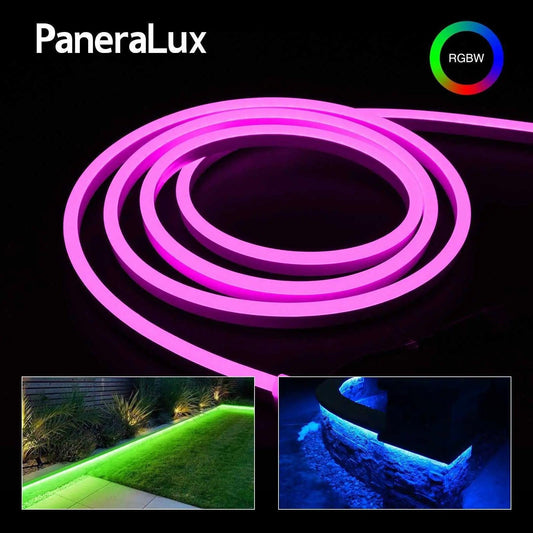
PaneraLux offers the Colored IP68 Underwater Pool Light Strip (T1512 V3.0), which was developed specifically for swimming pool applications. Instead of treating pool lighting as a standard outdoor LED strip installation, the product is designed around the conditions found in swimming pools.
The T1512 V3.0 provides IP68 waterproof protection as well as chlorine and corrosion resistance, making it suitable for applications where the lighting may be exposed to treated pool water.
Its linear design can also create a seamless lighting effect along the pool, while RGB and single-color options provide flexibility for different pool designs.
For above-ground pools, this type of purpose-built solution can be particularly useful when the lighting needs to be installed close to the water or underwater rather than simply used as decorative lighting around the deck.
Above Ground Pool Lighting Ideas for a Better Nighttime Look
Once the technical requirements are covered, you can focus on the overall lighting design.
One approach is to use linear lighting around the pool perimeter to create a consistent glow. This works especially well with modern above-ground pools that have simple geometric shapes.
Another option is to combine underwater pool strip lighting with deck lighting. Underwater lighting can provide the main visual effect, while softer lighting around the surrounding deck can improve the atmosphere without making the pool excessively bright.
For smaller pools, avoid installing too much lighting in one area. A continuous, evenly distributed light source can often create a cleaner appearance than several bright spots.
Final Considerations
Choosing waterproof LED strip lights for an above-ground pool requires more than checking whether the product is waterproof.
The most important factors are IP68 protection, chlorine resistance, corrosion resistance, low-voltage operation, installation location, and the desired lighting effect.
Most importantly, remember that swimming pool water contains chlorine. If a strip is going to be installed underwater or regularly exposed to pool water, it should be specifically designed to withstand that environment.
Whether you are upgrading an existing above-ground pool or planning a new outdoor space, choosing a purpose-built pool lighting product can help create a more reliable and visually consistent result.