How to Choose Pool LED Strip Lights: A Guide to Waterproof Underwater Pool Lighting
Published: Last Updated: Estimated Reading time: 8 minsWhen it comes to swimming pool lighting, the right lighting can do more than improve visibility after dark. It can transform the look of your pool, highlight architectural features, and create a more inviting outdoor space.
Among the available options, pool LED strip lights are becoming increasingly popular because they offer flexible installation, continuous illumination, and a wide range of colors. However, choosing lighting for underwater use requires more than simply selecting an attractive LED strip. Waterproofing, voltage, durability, color options, and installation location all need to be considered.
In this guide, we will explain what to look for when choosing waterproof LED strip lights for pools and how they compare with traditional underwater pool lights.
What Are Underwater LED Strip Lights for Swimming Pools?
An underwater light for swimming pool applications needs to be specifically designed to withstand prolonged exposure to water. Unlike standard indoor or outdoor LED strips, underwater lighting must have adequate protection against water penetration and environmental conditions.
Pool LED strip lights are flexible lighting products that can be installed along different areas of a swimming pool. Depending on the design, they can provide continuous lighting across a longer section instead of producing light from a single point.
This makes LED strips particularly useful for decorative and architectural pool lighting. They can be installed around pool edges, steps, walls, and other suitable areas to create a more consistent lighting effect.
However, not every LED strip is suitable for underwater installation. A product intended for a pool should have a suitable waterproof rating and construction designed for long-term exposure to water.

Why Choose LED Strip Lights for Pool Lighting?
There are several reasons homeowners and pool designers choose LED pool strip lights instead of relying only on traditional pool lights.
1. Flexible Installation
Traditional pool lights are usually installed at specific locations and illuminate a relatively defined area. LED strips provide much greater flexibility because they can follow straight or curved installation paths depending on the product design.
This allows you to highlight:
● Pool steps
● Pool walls
● Pool edges
● Pool perimeters
● Water features
● Decorative pool structures
The flexibility of LED strips makes it easier to create customized lighting designs.
2. Continuous and Even Illumination
One advantage of pool LED strip lights is their ability to provide continuous illumination along the installation area.
Instead of having several isolated points of light, a properly designed LED strip installation can create a more visually consistent lighting effect. This can be especially attractive around pool edges and architectural features.
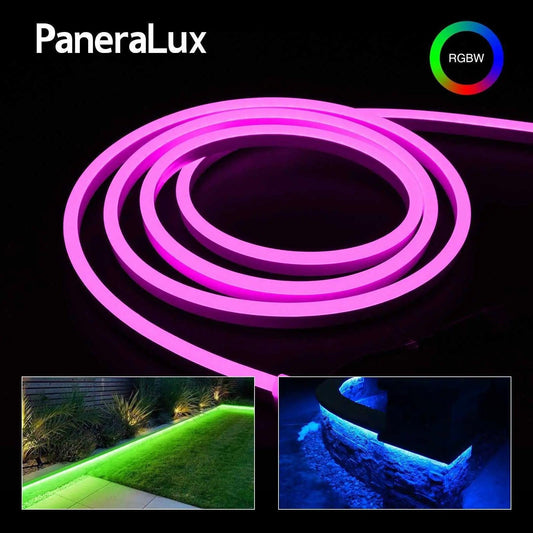
3. RGB and RGBW Color Options
If you want your pool lighting to change according to different occasions, RGB or RGBW LED technology provides more flexibility.
RGB lighting can create different colors for parties, outdoor gatherings, or everyday decorative lighting. RGBW systems can additionally provide white light, making them suitable for situations where both colorful effects and more natural illumination are desired.
4. Low-Voltage Operation
Many pool LED lighting systems use low-voltage power, such as 12V or 24V systems. Low-voltage lighting can be a practical choice for pool environments when it is correctly designed and installed according to applicable electrical requirements.
Always make sure the complete lighting system—including the power supply, controller, cables, and connections—is compatible with the intended installation.
Why Waterproofing Matters for Pool LED Strip Lights
Waterproofing is one of the most important factors when choosing waterproof LED strip lights for pools.
A pool environment exposes lighting to water, moisture, chemicals, and frequent temperature changes. If a lighting product is not designed for these conditions, water can eventually penetrate the housing or connections and cause damage.
IP67 vs. IP68
The IP rating is an important specification to check when choosing waterproof lighting.
IP67 products are designed to provide protection against dust and temporary immersion under specified test conditions. They may be suitable for certain outdoor applications where occasional water exposure occurs.
IP68 provides a higher level of protection against continuous or prolonged immersion, subject to the manufacturer's specified conditions.
For lighting intended for permanent underwater installation, an IP68-rated product is generally a more appropriate choice than a product designed only for temporary immersion.
However, the IP rating should not be the only consideration. The construction of the entire lighting system, including connectors and cable connections, also matters.

Chlorine Resistance and Material Durability
Swimming pool water is not simply fresh water. Chlorine and other chemicals used to maintain water quality can affect lighting materials over time.
Therefore, when selecting an underwater light for swimming pool applications, consider whether the product is designed to withstand the pool environment.
Look for products with:
● Durable waterproof construction
● Suitable sealing
● Corrosion-resistant materials
● Reliable cable connections
● Resistance to common pool chemicals
For long-term installations, choosing a product specifically designed for swimming pools is much more important than simply choosing a regular waterproof LED strip.
Where Can You Install Pool LED Strip Lights?
One of the biggest advantages of LED strips is their versatility. Depending on the product and installation requirements, they can be used in several areas around a swimming pool.
Pool Steps
Installing LED lighting around pool steps can improve visibility while also creating a decorative effect.
Pool Edges and Perimeters
LED strips can outline the shape of a pool and create a distinctive visual effect at night. This is particularly effective for modern pool designs.
Pool Walls
Underwater LED strips can be used along suitable pool walls to create continuous accent lighting.
Water Features
Fountains, waterfalls, and other water features can become focal points when combined with appropriately designed underwater lighting.
Spas and Hot Tubs
Waterproof LED lighting can also be used around compatible spa or hot tub installations, provided the product and electrical system are suitable for the environment.
Before installation, always verify the manufacturer's recommended application and installation method.
How to Choose the Right LED Pool Strip Lights
When comparing different LED pool strip lights, consider the following factors.
Waterproof Rating
For permanent underwater applications, look for a product specifically designed for underwater use and check whether it has an appropriate IP rating, such as IP68.
Voltage
Choose a suitable low-voltage system based on the installation design. 24V systems can be useful for longer lighting runs because they can help reduce voltage drop compared with lower-voltage systems.
Light Color
Decide whether you need:
● Single-color lighting
● RGB
● RGBW
● Adjustable color effects
RGB and RGBW options are especially useful if you want to change the atmosphere of your pool throughout the year.
Length and Installation Area
Measure the area where the lighting will be installed before purchasing. Consider the total length, cable requirements, power supply capacity, and connection points.
Controller Compatibility
If you want to change colors or brightness, make sure the LED strip is compatible with the controller you plan to use.
Depending on the system, control options may include remote controls, mobile apps, or smart home systems.

LED Pool Strip Lights vs. Traditional Underwater Pool Lights
Traditional underwater pool lights remain a popular choice, particularly when strong illumination from specific points is required. However, LED strips provide a different lighting approach.
Traditional pool lights generally create focused lighting from individual fixtures, while LED strips can create longer, continuous lines of light.
LED strips can therefore be especially useful when your goal is to emphasize pool architecture or create decorative lighting rather than simply illuminate the entire pool.
The best solution depends on your pool design. In some projects, LED strips and traditional pool lights can even be used together.
Are Waterproof LED Strip Lights Safe for Swimming Pools?
Safety should always be the first consideration when installing electrical equipment around water.
Choose lighting specifically designed for swimming pool applications and follow the manufacturer's installation instructions. The complete system should include compatible power supplies, controllers, cables, and waterproof connections.
Low-voltage equipment does not mean that installation can be performed without proper precautions. Electrical installations around swimming pools should comply with applicable local electrical codes and safety requirements.
If you are unsure about the electrical installation, consult a qualified professional.
Final Thoughts
Choosing the right pool LED strip lights involves more than selecting a color or brightness level. For underwater applications, waterproof performance, material durability, voltage, installation location, and control options are all important.
If you are looking for waterproof LED strip lights for pools, prioritize products specifically designed for underwater environments. An appropriate IP rating, durable construction, chlorine resistance, and a reliable low-voltage system can help provide better long-term performance.
With the right LED pool strip lights, you can combine practical illumination with decorative effects and create a swimming pool that looks just as impressive at night as it does during the day.