Outdoor Landscape Lighting Ideas for Steps, Gardens, and Edges
Published: Last Updated: Estimated Reading time: 6 minsOutdoor lighting can do more than brighten a yard after sunset. The right lighting can define landscape features, improve visibility around steps and pathways, and create a more inviting outdoor space. From outdoor LED strip lights to outdoor step lights, there are several ways to add practical and decorative lighting to a landscape.
Garden borders are another area where lighting can make a noticeable difference. Using garden edging lights or garden edging with LED lights can visually separate flower beds, lawns, pathways, and other outdoor areas while adding a subtle glow at night.
Here are several practical ideas for using outdoor lighting around steps, gardens, and landscape edges.

1. Use Outdoor Step Lights to Improve Stair Visibility
Steps are one of the most useful places for outdoor lighting. Poorly lit stairs can be difficult to see at night, especially when there are changes in elevation or uneven surfaces.
Outdoor step lights can be installed along stair risers, walls, railings, or the sides of steps. The goal is to provide enough illumination to make each step easy to identify without creating excessive glare.
For a clean appearance, consider placing lights at consistent intervals along a staircase. Warm white lighting can create a softer residential look, while brighter white light may be more suitable for areas where visibility is the primary concern.
Step lighting works particularly well around:
● Patio and deck stairs
● Garden steps
● Poolside steps
● Outdoor entryways
● Retaining wall stairs
● Pathways with changes in elevation
For exposed outdoor installations, choose lighting designed for the environment and pay attention to waterproofing, cable protection, and power requirements.
2. Add Outdoor LED Strip Lights to Landscape Features
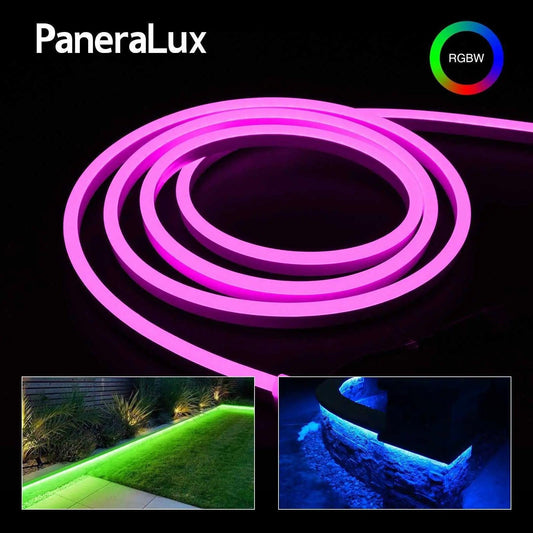
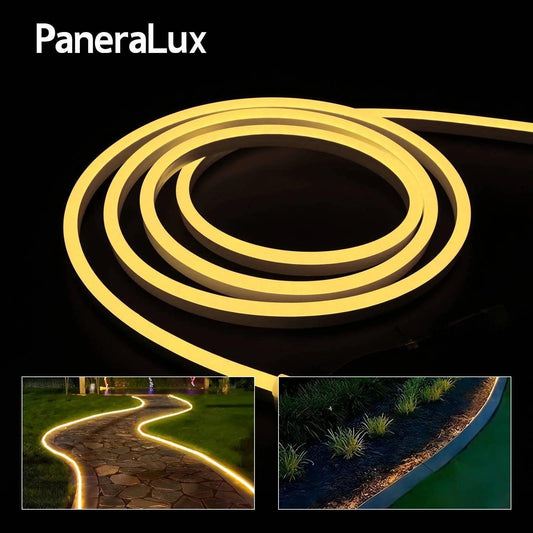
Outdoor LED strip lights provide a flexible option for areas where traditional fixtures may be difficult to install. Their linear form makes them suitable for highlighting long edges, steps, architectural details, and landscape structures.
One advantage of LED strip lighting is that it can create a continuous line of light instead of a series of separate bright spots. This can be useful when the goal is to emphasize the shape of a feature rather than draw attention to individual fixtures.
Outdoor LED strip lights can be used along:
● Deck and patio edges
● Stair risers
● Retaining walls
● Garden borders
● Walkways
● Outdoor seating areas
● Landscape structures
When selecting strip lighting for outdoor use, consider the required IP rating, voltage, installation method, brightness, and color options. For areas exposed to rain or moisture, the lighting should be specifically designed for outdoor conditions.

3. Define Flower Beds with Garden Edging Lights
Garden borders can become difficult to see after dark, particularly when grass, planting areas, and pathways have similar colors and textures. Garden edging lights can create a visible boundary while adding another layer of landscape lighting.
Instead of illuminating the entire garden, place lighting along the edge of a flower bed or planting area. This creates a defined outline and helps separate different areas of the landscape.
Garden edging lights can be used around:
● Flower beds
● Shrub borders
● Lawn edges
● Vegetable gardens
● Walkways
● Raised planting areas
A continuous lighting effect can make curved or geometric garden borders more noticeable at night. For modern landscapes, a simple linear light along the edge can also complement clean architectural lines.
4. Create Garden Edging with LED Lights
For a more integrated design, garden edging with LED lights combines the physical garden border with built-in or attached lighting.
This approach can be particularly effective when you want the lighting to look like part of the landscape rather than an added fixture. LED strips can follow straight or curved garden edges, depending on the design and installation method.
When planning garden edging with LED lights, consider the shape of the border first. Straight edges are generally easier to install, while curved borders require flexible lighting and careful positioning.
It is also important to consider maintenance. Lighting installed close to soil, grass, or plants should be protected from moisture and debris. Leave sufficient access for cleaning, repairs, or replacement when designing the installation.
5. Combine Different Lighting Types
You do not have to use the same type of lighting throughout the entire landscape. Combining different solutions can create a more balanced lighting design.
For example, outdoor step lights can provide focused illumination on stairs, while outdoor LED strip lights can create continuous lighting along a deck or retaining wall. Garden edging lights can then define planting areas without making the entire garden excessively bright.
The key is to give each lighting type a specific purpose:
● Steps: Improve visibility and define changes in elevation.
● Landscape features: Highlight architectural or structural details.
● Garden edges: Create boundaries between different areas.
● Pathways: Guide movement through the landscape.
● Patios and decks: Add ambient lighting for outdoor activities.
Using different levels of brightness can also help prevent the landscape from looking flat or overlit.

6. Consider Installation and Outdoor Conditions
Outdoor lighting needs to withstand changing weather conditions. Before installation, check whether the lighting is suitable for the location and exposure level.
For LED strip lighting, pay particular attention to waterproofing, connectors, cables, and power supplies. The installation method should also match the surface. Some applications may require mounting clips, channels, or other hardware to keep the lighting securely positioned.
Avoid placing lighting where lawn equipment, garden tools, or regular foot traffic could damage the installation. Good cable management is equally important for both appearance and long-term reliability.
FAQ
What are the best lights for outdoor steps?
Outdoor step lights are commonly used to illuminate stair surfaces and improve visibility. LED strip lighting can also be used when a continuous linear lighting effect is preferred.
Can outdoor LED strip lights be used around garden edges?
Yes. Outdoor LED strip lights can be used along garden borders when the product is suitable for outdoor conditions and installed with appropriate waterproofing and protection.
Are garden edging lights only for decoration?
No. Garden edging lights can provide both decorative and functional benefits by defining planting areas, lawn borders, and pathways while improving visibility at night.
What is garden edging with LED lights?
Garden edging with LED lights refers to a landscape border that incorporates LED lighting into or alongside the edging. It can create a continuous illuminated boundary around gardens, pathways, or planting areas.
Final Thoughts
Outdoor lighting works best when each light has a clear purpose. Use outdoor step lights where visibility matters, outdoor LED strip lights to create continuous illumination, and garden edging lights to define landscape boundaries.
For a more integrated design, garden edging with LED lights can combine landscape structure and illumination in one solution. By considering the layout, installation conditions, and lighting effect before starting the project, you can create an outdoor space that remains functional and visually appealing after dark.