Share
How to Choose the Right Pool LED Strip Lights for Your Swimming Pool
Published: Last Updated: Estimated Reading time: 5 minsModern swimming pool lighting is no longer just about visibility. Today, pool owners and designers are looking for lighting solutions that enhance safety, improve aesthetics, and create a premium nighttime experience. Among all available options, pool led strip lights have become one of the most popular choices for both residential and commercial swimming pools.
However, choosing the right lighting system for a pool is not as simple as selecting a standard LED strip. Pools present unique challenges, including permanent water exposure, chemical corrosion, and strict safety requirements. This guide will help you understand how to choose the right pool LED strip lighting solution and avoid common mistakes.
1. What Are Pool LED Strip Lights?
Pool led strip lights are linear LED lighting fixtures specifically designed for use in and around swimming pools. Unlike traditional point-source pool lights, LED strip lights provide continuous, even illumination along pool edges, walls, or steps.
Compared to standard LED strips used indoors or outdoors, pool LED strip lights are engineered with:
● Higher waterproof ratings (typically IP68)
● Materials resistant to chlorine and pool chemicals
● Low-voltage power systems for underwater safety
● Sealed construction for long-term underwater use
Because of these features, they are suitable for permanent installation in swimming pool environments.
2. Confirm Your Pool Type and Installation Area
Before choosing any lighting product, you must first identify the type of pool and where the lights will be installed.
In-Ground vs Above Ground Pool Lights
Not all pools are constructed the same way. Above ground pool lights often require different installation methods compared to in-ground pools.
● In-ground pools typically allow recessed or embedded LED strip installation along walls or edges.
● Above ground pool lights may rely more on surface-mounted or edge-mounted solutions due to structural limitations.
Understanding your pool structure helps determine the correct mounting method, cable routing, and light profile.
3. Waterproof Rating: Why IP68 Is Essential
Waterproofing is the most critical requirement for pool lighting.
For swimming pools, IP67-rated products are usually insufficient. IP67 allows temporary immersion, but swimming pools require lighting that can remain underwater continuously for years.
IP68-rated pool led strip lights are designed for:
● Permanent underwater operation
● Resistance to water pressure at depth
● Long-term sealing without moisture ingress
If a product does not clearly specify IP68 certification for underwater use, it should not be installed inside a pool.
4. Choose the Right Voltage: 12V or 24V
Pool lighting systems almost always use low-voltage power for safety reasons.
● 12V systems are commonly used for smaller residential pools and shorter lighting runs.
● 24V systems are better suited for longer pools or projects requiring more stable brightness over distance.
When selecting pool led strip lights, voltage choice affects:
● Brightness consistency
● Cable length limitations
● Overall system efficiency
Always ensure the power supply and control system are specifically designed for underwater lighting applications.
5. Single Color vs Color LED Pool Lights
Lighting color plays a major role in the visual atmosphere of a swimming pool.
Single Color Lighting
● Clean and timeless appearance
● Ideal for modern or minimalist pool designs
● Often preferred for residential pools
Color LED Pool Lights
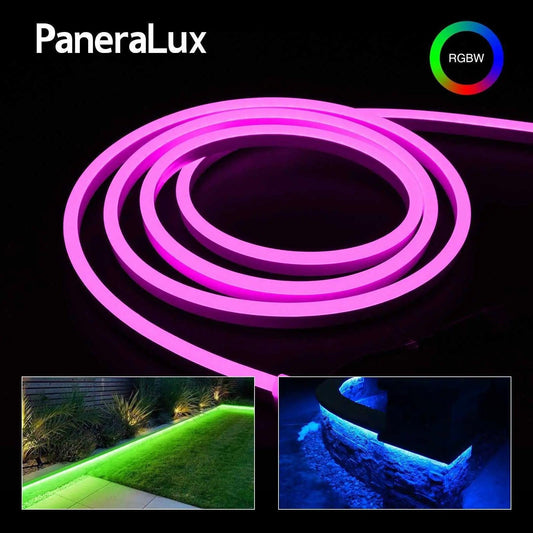
Color led pool lights offer RGB or RGBW options that allow dynamic color changes and lighting effects.
They are commonly used in:
● Luxury residential pools
● Hotels and resorts
● Commercial and entertainment venues
While color led pool lights can create stunning visual effects, it is important to ensure the control system is reliable and compatible with underwater use.
6. Material Quality and Chlorine Resistance
Swimming pools contain chemicals such as chlorine and salt, which can degrade low-quality lighting materials over time.
When choosing pool led strip lights, pay attention to:
● Silicone or polymer encapsulation quality
● Corrosion-resistant internal components
● Proven resistance to pool chemicals
Poor material selection often leads to yellowing, cracking, or water leakage after long-term use.
7. Installation Method and Maintenance Considerations
There are two common installation methods for pool LED strip lighting:
● Embedded installation: Installed within a groove or channel in the pool structure, offering a clean and seamless
appearance.
● Surface-mounted installation: Mounted on the pool edge or wall surface, often used for retrofitting or above ground
pool lights.
In both cases, maintenance access should be considered during the design stage. A well-planned lighting system should look great while remaining serviceable if needed.
8. Safety Standards and Long-Term Reliability
Underwater lighting must comply with strict electrical safety standards.
Key safety considerations include:
● Low-voltage operation
● Waterproof connectors and cables
● Proper grounding and isolation
High-quality pool led strip lights are designed not only for appearance, but also for long-term operational safety in harsh pool environments.
9. The Importance of Lighting Design Support
Pool lighting is not just about choosing a product—it is about designing a complete system.
Professional lighting design support can help:
● Eliminate dark zones and uneven brightness
● Optimize strip placement for visual impact
● Reduce unnecessary power consumption
● Improve overall pool aesthetics
Whether you are planning a new pool or upgrading existing above ground pool lights, proper design ensures the best possible result.
Conclusion
Choosing the right pool lighting requires careful consideration of safety, durability, design, and functionality. Pool led strip lights offer a modern, flexible, and visually appealing solution for a wide range of swimming pool applications.
By understanding waterproof requirements, voltage options, installation methods, and the differences between single-color and color led pool lights, you can confidently select a lighting system that enhances both the beauty and usability of your pool.
A well-designed pool lighting system is not just an accessory—it is an essential part of a safe, inviting, and premium swimming pool experience.