Share
Heated Outdoor Pool Lighting: Tips for Winter Night Swimming
Published: Last Updated: Estimated Reading time: 7 minsFor homeowners with heated outdoor pools, winter does not necessarily mean giving up outdoor swimming. When the water is kept at a comfortable temperature, swimming can still be enjoyable even when outdoor temperatures drop. However, shorter daylight hours mean that pool areas often become dark earlier, making proper lighting especially important for winter use.
Pool lighting for heated pools is about more than nighttime appearance. It also involves underwater visibility, safe movement around the pool, and choosing lighting equipment suitable for cold and humid conditions. Understanding how to use lighting effectively can help pool owners create a more comfortable and visually appealing outdoor swimming environment throughout the colder months.
Why Pool Lighting Matters in Winter
One noticeable difference between winter and summer pool use is the shorter amount of daylight. Outdoor pools can become dark relatively early in the evening. Without appropriate lighting, the water surface, pool walls, and steps may be harder to see, making nighttime activities less convenient.
Another factor is the temperature difference between warm pool water and cold outdoor air. Under certain weather conditions, visible vapor may rise from the water. When pool lights illuminate the surface, reflections, moving water, and vapor can create a distinctive nighttime atmosphere.
For this reason, winter pool lighting should serve two purposes: providing sufficient visibility around the swimming area and creating a comfortable outdoor setting after dark.
How to Use Pool Lighting During Winter
1. Adjust Lighting to Your Winter Swimming Schedule
Winter daylight conditions change quickly, so pool lighting should reflect how and when the pool is used.
If you typically swim in the early evening, turn on the lights as natural light begins to fade. This helps you see the water and surrounding areas before entering the pool. If you regularly swim later at night, consider the lighting needs throughout the entire swimming session rather than focusing only on the period just after sunset.
Timers and smart controls can make lighting easier to manage. For example, you can schedule your lights around your usual swimming hours instead of leaving them on longer than necessary. Make sure the selected controls are compatible with your pool lighting system.
2. Choose Comfortable Lighting for Night Swimming
Winter evenings are often darker, making light intensity, color, and distribution particularly important for nighttime swimming.
White lighting can provide a natural appearance for the water and pool surfaces, while blue lighting creates a calm, cool-toned atmosphere. RGB lighting offers additional color options for different occasions and outdoor settings.
However, color alone does not determine lighting quality. Concentrated beams, strong reflections, and glare can make it harder to see comfortably at night. Instead of focusing only on brightness or vivid colors, consider whether the light is distributed evenly and whether swimmers can see the pool environment clearly.
3. Light Both the Underwater Area and Pool Surroundings
Winter pool lighting should not focus exclusively on the water surface.
Pool lights underwater can help illuminate the pool interior and highlight the contours of the walls and floor. Meanwhile, lighting around steps, entrances, and walkways helps people identify the areas they need to navigate after dark.
If your pool has stairs, paved paths, or nearby seating areas, consider adding suitable outdoor lighting based on the layout. This can help reduce poorly lit areas and harsh contrasts between light and shadow.
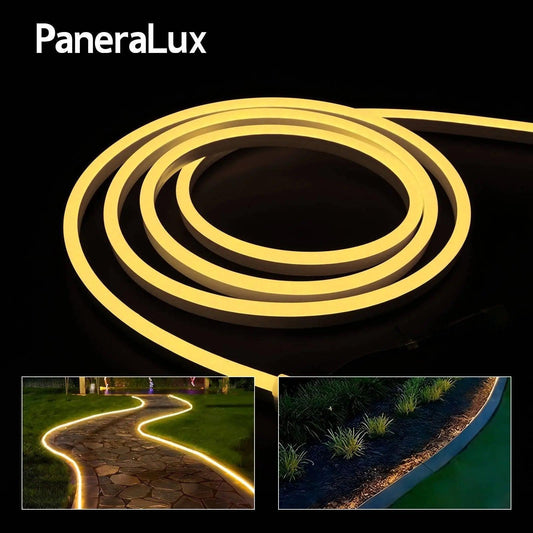
For example, a led strip pool lighting setup along a suitable pool edge can create a continuous line of light that emphasizes the pool's shape at night. However, decorative strip lighting should not replace necessary functional lighting or be treated as a substitute for appropriate pool safety measures.
What to Consider in Cold and Humid Conditions
Heated outdoor pools often combine relatively warm water with colder outdoor air. When water vapor encounters cooler air or surfaces, condensation may occur. Therefore, winter pool lighting requires attention not only to appearance but also to the operating conditions of the equipment.
First, check whether the lights have an appropriate waterproof rating for their intended installation locations. Underwater fixtures should be specifically designed for the relevant underwater application and installed according to the manufacturer's requirements. A waterproof rating alone does not mean that a light is suitable for every pool environment.
Next, consider the operating temperature range of the lights and their control equipment. Outdoor air temperatures can drop significantly in winter, and underwater fixtures, poolside lights, power supplies, and controllers may operate in different environmental conditions. Check the specifications of each component rather than assuming that the pool's water temperature determines whether the entire system is suitable.
It is also important to distinguish condensation from water intrusion. Vapor above a heated pool is a natural physical phenomenon under certain temperature and humidity conditions. Its presence does not automatically indicate a lighting problem. The fixture's sealing performance, electrical connections, and installation quality are more relevant when assessing its suitability for the environment.
Electrical equipment installed in or around swimming pools must comply with applicable pool electrical safety requirements. Installation and inspection should be handled by appropriately qualified professionals.
How to Create a Better Winter Pool Lighting Experience
Beyond basic visibility, thoughtful lighting design can make a heated outdoor pool a more inviting part of the property during winter.
Maintain even light distribution. Increasing brightness alone does not guarantee better visibility. Reducing dark areas and overly intense patches of light can make the pool easier to observe at night. Fixture placement and beam direction should reflect the pool's dimensions, shape, and surrounding environment.
Highlight the pool's outline with linear lighting. LED strip pool lighting can create a continuous visual effect along suitable pool edges or designated structural features. At night, this can emphasize the pool's shape and interact with reflections on the water. For modern outdoor pools, linear lighting is an option worth considering when a clean, streamlined appearance is desired.
Match lighting colors to the intended use. If nighttime swimming is the main priority, focus on visibility and visual comfort. If you also want to enhance the winter atmosphere, blue, white, or RGB lighting can help create different effects while maintaining the necessary functional illumination.
Coordinate pool lighting with the surrounding space. Steps, walkways, exterior walls, and seating areas can all influence the overall nighttime appearance. Combining underwater pool lights with suitable outdoor lighting helps create a more cohesive environment instead of directing all the attention toward the water surface.
Frequently Asked Questions
Can You Use Pool Lights in a Heated Outdoor Pool During Winter?
Yes, provided the lights are suitable for their intended underwater or outdoor installation environment and the lighting system meets applicable electrical safety requirements. You should also verify operating temperature limits, installation conditions, and maintenance requirements. Whether a fixture is suitable for winter use cannot be determined solely by whether the pool is heated.
Does Steam from a Heated Pool Affect Pool Lighting?
Steam or visible vapor does not automatically mean that a light will malfunction. When warm pool water meets cold air, vapor may form above the water, and condensation may develop on cooler surfaces. Whether the lighting equipment is affected depends on its sealing performance, installation environment, and condition. If you notice water inside a fixture, unusual flickering, or other signs of a fault, stop using the affected equipment and contact a qualified professional for inspection.
What Color Pool Lights Are Best for Night Swimming in Winter?
White lighting can help present the water and pool outline naturally, while blue lighting creates a calm nighttime atmosphere. RGB lighting provides more color options for different preferences. However, color is only one factor in effective pool lighting. Coverage, uniformity, glare control, and lighting around the pool also deserve attention.
Conclusion
Heated outdoor pools make swimming possible during colder months, and appropriate lighting can further improve the nighttime experience. From scheduling lights around actual swimming hours to considering underwater visibility, poolside illumination, and equipment suitability in cold and humid conditions, each element contributes to the overall result.
For homeowners looking to improve their winter pool environment, effective lighting does not have to be complicated or excessively bright. Even illumination, a clearly defined pool outline, and a coordinated lighting scheme can help create a more comfortable and visually appealing heated pool area on winter evenings.