Can LED Strip Lights Be Used Underwater? Everything You Need to Know
Published: Last Updated: Estimated Reading time: 7 minsWaterproof LED strip lighting has become increasingly popular in modern outdoor design. From luxury swimming pools to fountains, ponds, and landscape water features, LED strips are now widely used to create clean, modern, and visually impressive lighting effects.
However, many homeowners and contractors still ask the same question: can LED strip lights actually be used underwater?
The answer is yes — but only if the correct type of waterproof LED strip light is used. Not all outdoor LED strips are designed for underwater environments, and choosing the wrong product can lead to water damage, corrosion, or complete lighting failure.
In this guide, we’ll explain how underwater LED strip lights work, which waterproof ratings matter most, and how to safely choose the right lighting solution for pools, fountains, and other outdoor applications.
- What Are Underwater LED Strip Lights?
- Can Any LED Strip Light Be Used Underwater?
- Why IP68 Waterproof Protection Matters
- Common Applications for Underwater LED Strip Lights
- Common Problems with Low-Quality Waterproof LED Strips
- How to Install Underwater LED Strip Lights Safely
- How to Choose the Right Outdoor Waterproof LED Strip Lights
- Final Thoughts
What Are Underwater LED Strip Lights?
Underwater LED strip lights are specially designed waterproof lighting systems built for submerged environments. Unlike standard indoor LED strips, these products use sealed materials and waterproof protection to prevent water from reaching the internal LED components.
Most underwater LED strip lights are used in:
● Swimming pools
● Fountains
● Garden ponds
● Waterfalls
● Spa areas
● Landscape water features
These lighting systems help create ambient illumination while improving nighttime visibility and enhancing the overall appearance of outdoor spaces.
Modern underwater LED strips are also commonly used in architectural and commercial projects because they provide flexible installation options and smooth linear lighting effects.
Can Any LED Strip Light Be Used Underwater?
No. This is one of the most common misunderstandings in outdoor lighting.
Many products advertised as “waterproof” are only designed to resist rain or splashing water. That does not mean they can safely operate underwater for long periods of time.
The key difference is the waterproof protection rating.
IP65 vs IP67 vs IP68 Explained
Understanding IP ratings is essential when choosing outdoor waterproof LED strip lights.
IP65
IP65 LED strips are protected against dust and low-pressure water spray. These are suitable for outdoor areas exposed to rain, but they should not be submerged underwater.
Typical applications include:
● Patio lighting
● Deck lighting
● Outdoor stair lighting
● Fence lighting
IP67
IP67 LED strip lights offer stronger waterproof protection and can survive temporary water exposure. However, they are still not ideal for permanent underwater installation.
These are commonly used in areas with occasional heavy moisture.
IP68
IP68 is the highest standard commonly used for underwater LED strip lights. These products are specifically designed for continuous water immersion.
IP68 outdoor LED strip lights are typically used in:
● Swimming pools
● Fountains
● Ponds
● Water features
For underwater environments, IP68 protection is strongly recommended.

Why IP68 Waterproof Protection Matters
When LED strip lights are installed underwater, they face much harsher conditions than standard outdoor lighting systems.
Constant water exposure can quickly damage low-quality lighting products. Moisture intrusion may cause:
● Corrosion
● Electrical failure
● Flickering lights
● Reduced brightness
● Shortened lifespan
High-quality IP68 waterproof LED strip lights use fully sealed construction methods to prevent water penetration and maintain stable long-term performance.
For pool and fountain applications, chlorine resistance is also extremely important. Some lower-quality silicone materials may crack or discolor after prolonged exposure to pool chemicals and UV radiation.
This is why professional outdoor lighting projects typically use IP68-rated lighting systems specifically designed for underwater use.
Common Applications for Underwater LED Strip Lights
Underwater LED strip lights are highly versatile and can be integrated into many outdoor lighting designs.
Swimming Pools
Pool lighting is one of the most popular applications. Waterproof LED strips can be installed along pool edges, steps, walls, or surrounding architectural features to create a modern and luxurious appearance.
Soft linear lighting also improves nighttime visibility and safety around the pool area.
Fountains
Outdoor fountains often use underwater LED strip lights to highlight moving water and create dynamic lighting effects at night.
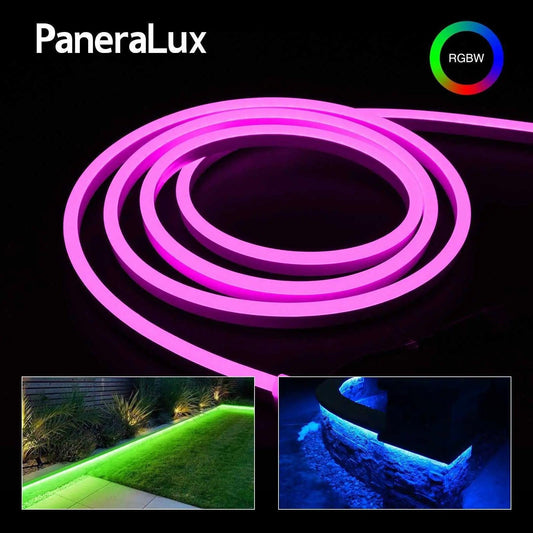
RGB lighting systems are especially popular for decorative fountain installations.

Garden Ponds
Pond lighting can completely transform a backyard landscape after dark. Waterproof LED strips help illuminate rocks, plants, and water surfaces while creating a calm ambient atmosphere.
Waterfalls and Water Features
Many landscape designers use outdoor LED strip lights underneath waterfalls or around water features to add depth and movement to outdoor spaces.
The continuous lighting effect produced by LED strips works particularly well with flowing water.
Common Problems with Low-Quality Waterproof LED Strips
Not all waterproof LED strip lights deliver the same level of performance.
Low-quality products often experience problems within a short period of outdoor use.
Water Leakage
Poor sealing is one of the biggest issues with inexpensive waterproof LED strips. Once water enters the lighting system, internal damage can happen quickly.
Silicone Cracking
Cheap silicone materials may become brittle after exposure to sunlight, chlorine, or changing outdoor temperatures.
Connector Failure
Improper waterproof connectors are another common failure point in outdoor LED strip installations.
Corrosion
Low-grade materials can corrode in wet or chemically treated environments, especially around pools and fountains.
Uneven Brightness
Inferior LED chips may lose brightness over time or produce inconsistent lighting output.
Choosing high-quality outdoor waterproof LED strip lights helps reduce maintenance problems and improves long-term reliability.

How to Install Underwater LED Strip Lights Safely
Proper installation is essential for both safety and performance.
Use Low-Voltage Systems
Most underwater LED strip lights operate on low-voltage systems such as 12V or 24V, which are safer for wet environments.
Use Waterproof Connectors
Every connection point should be fully sealed using waterproof connectors designed for underwater applications.
Avoid Sharp Bends
Excessive bending can damage the internal circuit board and weaken waterproof protection.
Choose Proper Mounting Surfaces
Make sure the installation surface is clean, stable, and suitable for long-term water exposure.
Work with Professional Installers
For swimming pools or large water features, professional installation is often recommended to ensure compliance with electrical safety requirements.
How to Choose the Right Outdoor Waterproof LED Strip Lights
Before purchasing an outdoor LED strip light, consider the following factors.
Waterproof Rating
For underwater use, always choose IP68-rated products.
Material Quality
High-quality silicone and durable sealing materials help improve long-term performance.
Brightness
Select the appropriate brightness level based on the project size and lighting effect you want to achieve.
Color Temperature
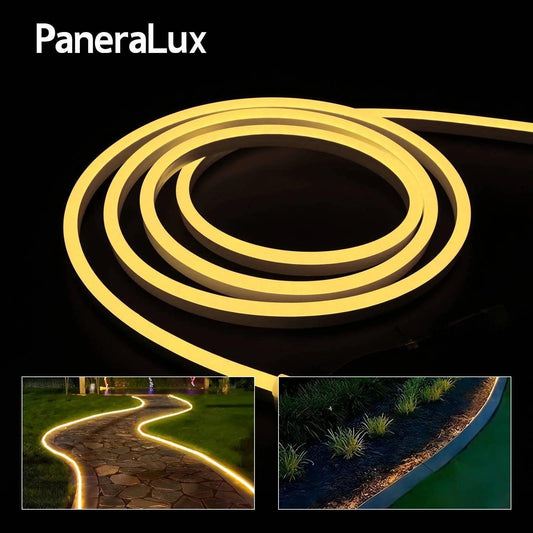
Warm white lighting creates a relaxing atmosphere, while cool white lighting produces a cleaner and more modern appearance.
RGB and RGBW options are also popular for decorative water features.
UV and Chemical Resistance
Outdoor environments expose lighting systems to sunlight, rain, chlorine, and changing temperatures. Durable materials are essential for reliable operation.
Final Thoughts
So, can LED strip lights be used underwater?
Yes — but only when you choose lighting systems specifically designed for underwater environments. Standard outdoor waterproof LED strips are not always suitable for permanent submersion.
For pools, fountains, ponds, and other water features, IP68 underwater LED strip lights provide the best protection, durability, and long-term performance.
By selecting high-quality outdoor waterproof LED strip lights and following proper installation practices, you can create beautiful outdoor lighting effects while ensuring safety and reliability for years to come.